



“I’ve spent years understanding how systems work,
and why many of them fail in a real practice.”
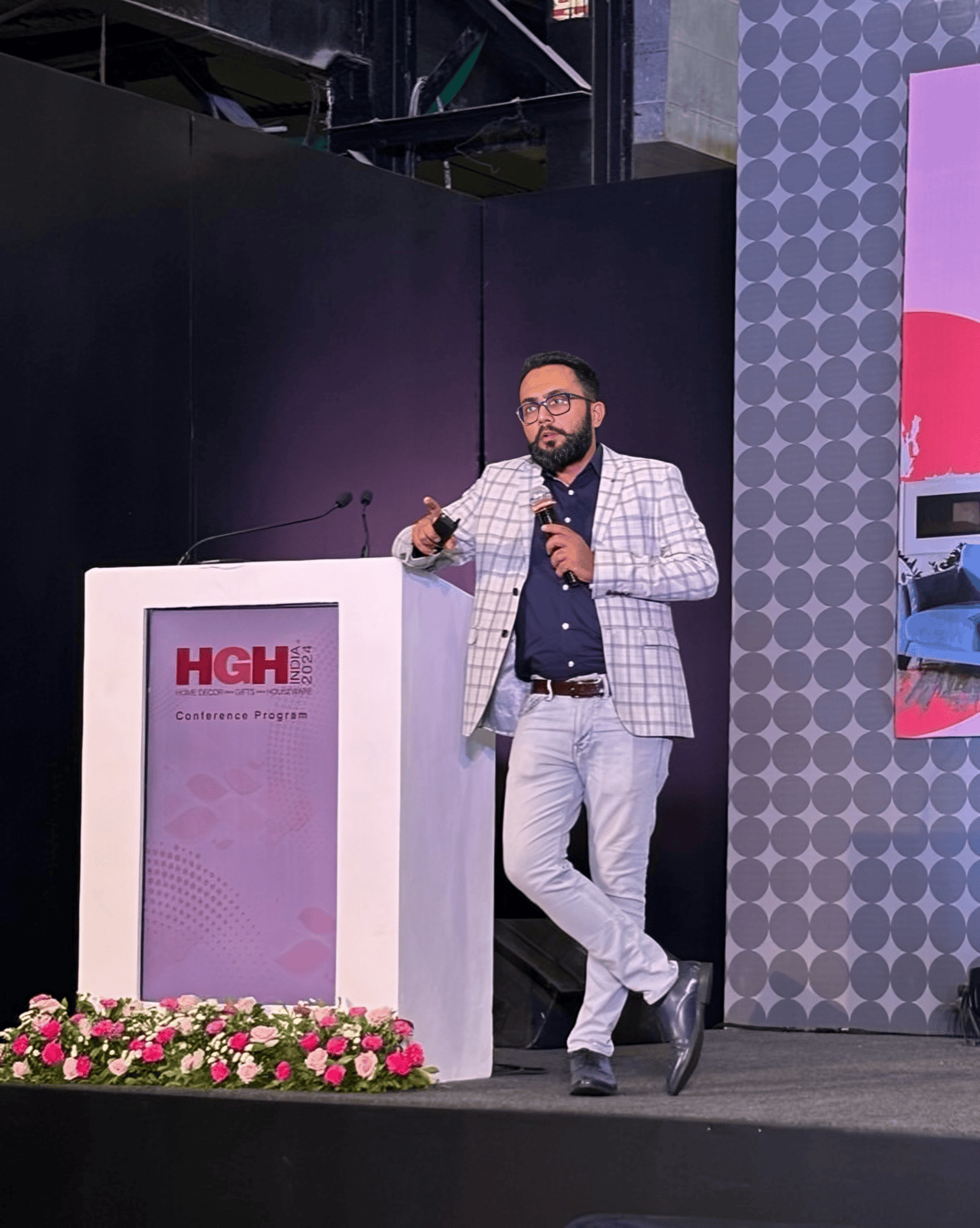

Where I Typically Help Practices The Most
Where I Typically Help Practices The Most
Most conversations with architecture and design practices reveal several recurring patterns.
• Existing BIM systems are often underutilised with fragmented workflows that are slow or inconsistent.
• Practices are scaling up but struggle to maintain drawing quality coordination and predictability.
• BIM is adopted but never fully embedded into everyday practice or revisited and updated.
• Technology decisions are made without clarity, with software, templates and standards added over time without a coherent system.
• Skill set leakages are a persistent issue in design firms, with skilled team members leaving the organisation.
My role is not limited to selling tools or introducing additional complexity but to help practices step back, clearly understand their system and rebuild it to support their workflow.
What the AEC Industry Actually Needs
Based on years of working with real practices, these are the fundamentals that make systems succeed not in theory but in everyday project work.
Time as a Managed Resource
Time as a Managed Resource
Practices require systems that respect time rather than workflows that depend on heroic efforts, late nights or constant firefighting.
Structured Project Delivery
Structured Project Delivery
Complex projects require improved structure, defined stages and shared expectations across teams rather than additional effort.
Predictable Cost & Schedule Control
Predictable Cost & Schedule Control
Unexpected costs are significant. Reliable systems make scope, time and cost visible early - when decisions are still critical.
Clear Technology Execution
Clear Technology Execution
Technology only works when teams know WHY, WHEN, and HOWto use it - not just that it exists.
Reduced Documentation Overhead
Reduced Documentation Overhead
Repetitive drafting should not consume creative energy. Automation and standards should support design, not impede it.
Early Risk Detection
Early Risk Detection
Clashes, coordination gaps and data errors are most easily rectified when systems identify them early rather than during construction.
Coordinated Teams, Onsite and Offsite
Coordinated Teams, Onsite and Offsite
Effective coordination is not solely dependent on meetings. It is characterised by shared information, clear responsibilities and dependable workflows.
Transparency of Scope & Responsibility
Transparency of Scope & Responsibility
Teams perform better when ownership is clear across drawings, models, decisions and deliverables.
Internationally Aligned Standards
Internationally Aligned Standards
Global standards such as OpenBIM and ISO 19650 are only effective when adapted thoughtfully to local practice realities.
Interoperable, Open Systems
Interoperable, Open Systems
The future is not defined by fixed workflows but by flexible systems where tools can evolve without disrupting existing practices.

